
Managing oily and acne-prone skin can feel like a constant challenge. Excess oil, clogged pores, frequent breakouts, and post-acne marks often make it difficult to achieve a clear and healthy complexion. Many people assume that skipping moisturizers or using harsh cleansers is the solution, but the truth is that healthy skin requires balance rather than excessive drying.
If you’re wondering which serum is best for oily and acne-prone skin, the answer lies in choosing lightweight, non-comedogenic formulas with ingredients that regulate oil production, calm inflammation, and support the skin barrier. Ingredients such as Niacinamide Serum, Salicylic Acid, Zinc PCA, and Hyaluronic Acid are among the most recommended by skincare professionals for oily and blemish-prone skin.
This guide explains how to choose the right serum, the ingredients to look for, and how Skin Sciences can fit naturally into an effective skincare routine for healthier-looking skin.
Understanding Oily and Acne-Prone Skin
Oily skin occurs when the sebaceous glands produce more sebum than necessary. While sebum protects and lubricates the skin, excessive production can trap dirt, dead skin cells, and bacteria inside pores.
This often leads to:
- Whiteheads
- Blackheads
- Pimples
- Enlarged pores
- Acne scars
- Excess facial shine
Acne-prone skin may also become irritated, especially when harsh skincare products damage the skin’s protective barrier.
Why a Serum Is Important for Oily Skin
Many people with oily skin avoid serums because they believe all skincare products make the face greasier. However, lightweight serums are designed to absorb quickly without leaving a heavy or sticky residue.
A well-formulated serum can help:
- Balance oil production
- Keep pores clear
- Hydrate without clogging pores
- Reduce redness
- Improve skin texture
- Minimize post-acne marks
- Strengthen the skin barrier
The key is selecting ingredients that target your specific skin concerns.
Ingredients to Look for in a Serum
Instead of choosing products based only on trends, focus on ingredients supported by scientific research.
Niacinamide
Niacinamide is one of the most effective ingredients for oily and acne-prone skin.
Its benefits include:
- Regulates excess oil
- Improves skin barrier function
- Reduces redness
- Minimizes the appearance of enlarged pores
- Helps fade acne marks
- Supports a more even skin tone
It is suitable for daily use and works well with many other skincare ingredients.
Salicylic Acid
Salicylic Acid is a beta hydroxy acid (BHA) that penetrates deep into the pores.
It helps:
- Dissolve excess oil
- Remove dead skin cells
- Prevent clogged pores
- Reduce blackheads
- Improve active breakouts
People with acne-prone skin often benefit from incorporating this ingredient into their routine a few times each week, depending on skin tolerance.
Zinc PCA
Zinc PCA supports healthier-looking skin by helping control excess sebum while maintaining hydration.
Benefits include:
- Oil control
- Reduced shine
- Improved skin balance
- Calmer complexion
Hyaluronic Acid
Even oily skin needs hydration.
When skin becomes dehydrated, it may produce even more oil to compensate.
Hyaluronic Acid helps:
- Maintain moisture
- Keep skin comfortable
- Improve elasticity
- Prevent tightness after cleansing
Its lightweight texture makes it suitable for oily skin types.
Green Tea Extract
Green Tea Extract contains antioxidants that help soothe irritated skin while protecting it from environmental stressors.
It may also reduce visible redness associated with acne.
Which Serum Is Best for Oily and Acne-Prone Skin?
The ideal serum combines oil-balancing ingredients with gentle hydration rather than relying on harsh, drying formulas.
Look for products that are:
- Lightweight
- Oil-free
- Non-comedogenic
- Fragrance-free if you have sensitive skin
- Dermatologically tested when possible
A serum containing Niacinamide and Hyaluronic Acid is often an excellent everyday option because it hydrates while helping regulate excess oil.
Common Causes of Acne Breakouts
Understanding the causes of acne helps you make better skincare choices.
Common triggers include:
Excess Sebum
Too much oil increases the likelihood of clogged pores.
Dead Skin Cell Buildup
Without proper exfoliation, dead skin cells accumulate and contribute to congestion.
Hormonal Changes
Hormonal fluctuations can increase oil production.
Poor Skincare Habits
Sleeping with makeup, using harsh cleansers, or skipping moisturizer may worsen breakouts.
Environmental Factors
Pollution, sweat, and humidity can also contribute to acne in some individuals.
Daily Skincare Routine for Oily Skin
A consistent routine often produces better results than frequently changing products.
Morning Routine
- Gentle cleanser
- Niacinamide serum
- Lightweight moisturizer
- Broad-spectrum sunscreen
Evening Routine
- Gentle cleanser
- Treatment serum
- Hydrating moisturizer
If using Salicylic Acid, introduce it gradually to avoid irritation.
Mistakes to Avoid
Many people unintentionally make acne worse.
Avoid these habits:
- Washing your face too frequently
- Using alcohol-based products
- Skipping moisturizer
- Picking at pimples
- Layering too many active ingredients
- Ignoring sunscreen
- Expecting immediate results
Healthy skin improvements require consistency and patience.
Lifestyle Tips for Clearer Skin
Skincare works best when supported by healthy daily habits.
Stay Hydrated
Drinking enough water supports overall skin function.
Eat a Balanced Diet
Focus on foods rich in:
- Vegetables
- Fruits
- Lean protein
- Healthy fats
A nutritious diet supports healthy skin from within.
Keep Pillowcases Clean
Oil, sweat, and bacteria accumulate on fabric over time.
Changing pillowcases regularly may help reduce bacterial buildup.
Manage Stress
Stress can influence hormone levels, which may contribute to breakouts in some individuals.
Can Oily Skin Still Become Dehydrated?
Many people with oily skin mistakenly use strong cleansers that remove too much natural moisture.
When this happens, the skin often responds by producing even more oil.
Using a lightweight hydrating serum alongside oil-balancing ingredients helps maintain healthier skin without creating excess shine.
Why Ingredient Quality Makes a Difference
Not every serum offers the same performance. A carefully developed formulation should combine effective active ingredients with a texture that feels comfortable for daily use.
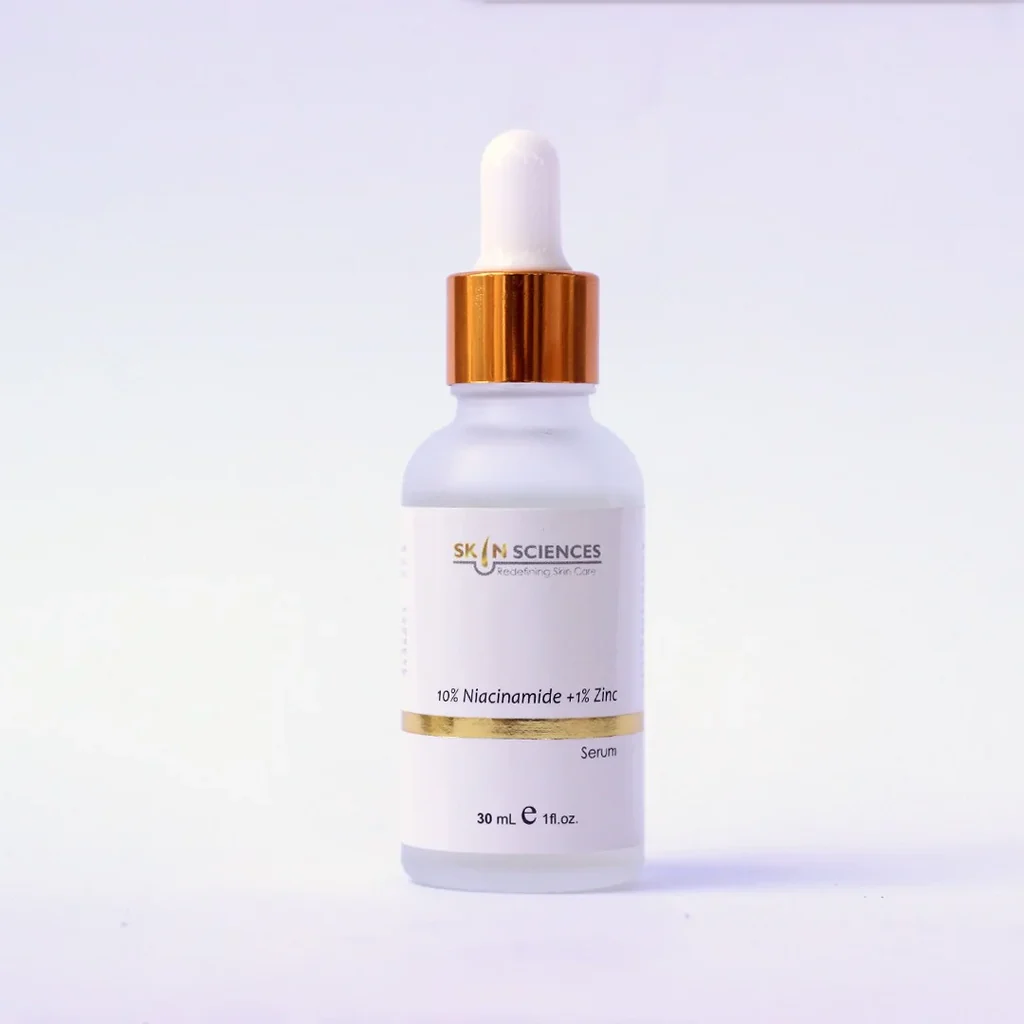
Skin Sciences formulates skincare products using science-backed ingredients designed to support different skin concerns, including excess oil, dehydration, and blemishes. Choosing products that help balance the skin rather than strip it can lead to healthier, more consistent results over time.
Explore the Skin Sciences Niacinamide Serum to help regulate excess oil, reduce the appearance of pores, and support clearer, healthier-looking skin as part of your daily skincare routine.
Last Words
Choosing which serum is best for oily and acne-prone skin starts with understanding your skin’s needs rather than trying to remove every trace of oil. Lightweight serums containing Niacinamide, Salicylic Acid, Zinc PCA, and Hyaluronic Acid can help control excess sebum, keep pores clear, improve hydration, and strengthen the skin barrier without feeling heavy.
A consistent routine that includes gentle cleansing, targeted treatment, moisturizing, and daily sunscreen offers the best chance of maintaining balanced, healthy-looking skin. With thoughtfully formulated skincare from Skin Sciences, you can support clearer skin while addressing oiliness and breakouts in a gentle, effective way.
Frequently Asked Questions
1. Which ingredient is best for oily and acne-prone skin?
Niacinamide is one of the most recommended ingredients because it helps regulate oil production, strengthen the skin barrier, reduce redness, and improve overall skin texture.
2. Can oily skin use a hydrating serum?
Yes. Oily skin can become dehydrated, and lightweight hydrating serums with Hyaluronic Acid help restore moisture without clogging pores.
3. Is Salicylic Acid suitable for acne-prone skin?
Yes. Salicylic Acid penetrates deep into pores to remove excess oil and dead skin cells, making it effective for blackheads and breakouts when used correctly.
4. How often should I apply a serum?
Most lightweight serums can be applied once or twice daily after cleansing and before moisturizing. Always follow the instructions provided with your product.
5. Should I use sunscreen if I have oily skin?
Absolutely. A lightweight, non-comedogenic sunscreen helps protect the skin from UV damage and prevents post-acne marks from becoming darker, making it an essential part of any skincare routine.
Dermatologists recommend choosing skincare products formulated with clinically proven ingredients that support healthy, balanced skin without causing irritation. Skin Sciences offers science-backed skincare solutions designed to address concerns like excess oil, acne, dehydration, and uneven skin tone. Explore the Skin Sciences Home Page to find dermatologist-inspired products suitable for every skin type.