
Personalized Eczema Treatment in Lahore
Eczema can cause persistent itching, dryness, redness and skin irritation. At Institute Cosmetique, Lahore, our dermatologists assess your skin, identify possible triggers and create a treatment plan according to your individual needs.
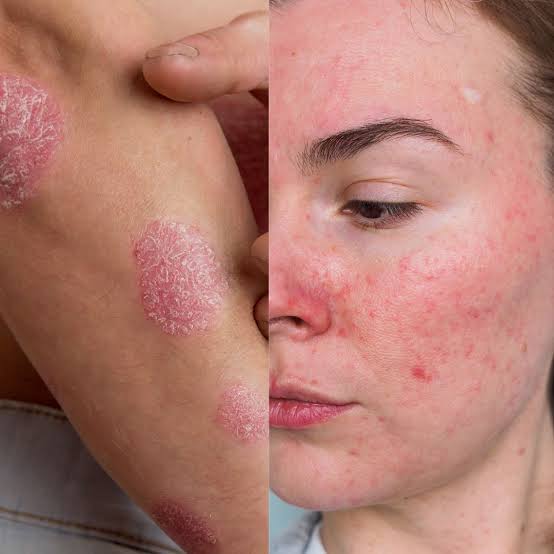
What is eczema and why does it keep coming back?
Eczema is a common skin condition that can make the skin dry, itchy, red and irritated. It may appear on different parts of the body and can affect both children and adults.
Eczema can sometimes improve and then return again. Different triggers can weaken the skin barrier and cause another flare-up. Identifying these triggers and following a suitable skincare and treatment plan can help manage symptoms and reduce recurring flare-ups.
Eczema is different for every person. A dermatologist can help identify the type and severity of eczema and recommend an appropriate treatment approach.
What are the common symptoms of eczema?
Eczema can look different from person to person. Common signs include:
Persistent itching
Eczema often causes itching that can become worse during flare-ups and may affect daily comfort.
Dry skin
The affected skin may feel rough, dry, tight or uncomfortable, especially after washing.
Redness
Irritated areas can become red, inflamed and sensitive.
Skin irritation
The skin may become sensitive and react to certain products, soaps, fabrics or environmental triggers.
Cracked skin
Severe dryness can cause cracks in the skin, which may become uncomfortable or painful.
Recurring flare-ups
Symptoms may improve for a period and return when the skin is exposed to certain triggers.
What can trigger eczema flare-ups?
- Dry weather: Cold weather, low humidity and indoor heating can dry the skin.
- Harsh skincare products: Strong soaps, cleansers and fragranced products may irritate the skin.
- Heat and sweating: Excessive heat and sweating can trigger irritation in some people.
- Stress: Stress may contribute to eczema flare-ups in some individuals.
- Dust and environmental irritants: Certain environmental factors may worsen symptoms.
- Fabrics: Rough fabrics can irritate sensitive or eczema-prone skin.
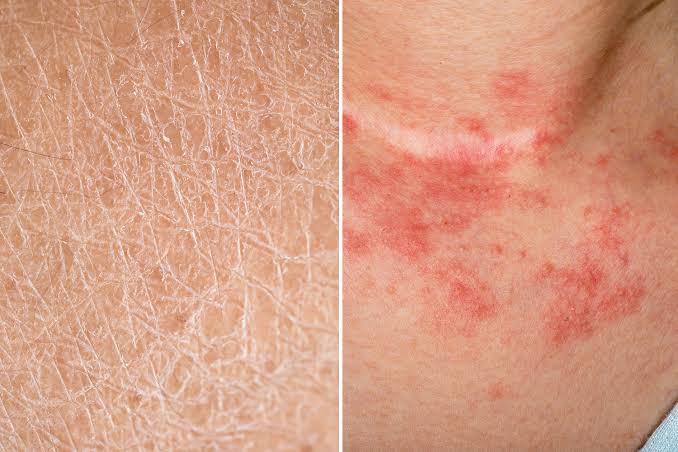
Why should eczema be properly diagnosed?
Several skin conditions can look similar to eczema. A proper dermatological assessment helps identify the condition and determine the right treatment approach.
What can you do at home to manage eczema?
Simple daily habits can support the skin barrier and help reduce irritation in many cases.
Do
- Use gentle, fragrance-free cleansers.
- Keep baths and showers short and use lukewarm water.
- Moisturise regularly, especially after bathing.
- Choose skincare products designed for dry or sensitive skin.
- Wear comfortable, soft fabrics.
- Try to identify and avoid your personal triggers.
Avoid
- Very hot water.
- Harsh or strongly fragranced soaps.
- Scrubbing or scratching irritated skin.
- Rough fabrics that rub against affected areas.
- Using prescription steroid creams without medical advice.
When should you see a dermatologist for eczema?
- Symptoms are persistent or keep coming back.
- Itching is affecting your sleep or daily activities.
- The skin becomes very red, swollen or painful.
- You develop cracks or significant irritation.
- Home skincare is not helping your symptoms.
- You are unsure whether the condition is eczema or another skin problem.
How we treat eczema at Institute Cosmetique
Eczema is different for everyone, so treatment should not be the same for every patient. Your doctor examines your skin, discusses your symptoms and possible triggers, and develops a treatment plan around your individual needs.
1. Understand the cause
Your doctor reviews your symptoms, skin history, daily routine and possible triggers.
2. Support the skin barrier
Suitable moisturisers and skincare products may be recommended to help reduce dryness and support the skin barrier.
3. Control itching and inflammation
Depending on your condition, your dermatologist may recommend medical treatment to control inflammation and symptoms.
4. Manage future flare-ups
You can receive guidance about skincare, triggers and follow-up care to help manage recurring eczema.
Your dermatology specialists
Treatment is provided by experienced dermatologists. Your consultation can help determine the most suitable approach for your skin concern.
Our team can also guide you about the correct use of recommended skincare products and medicines as part of your treatment plan.
Learn more about eczema
Educational videos can help you better understand eczema, common triggers and proper skin care.
Common questions about eczema
What is eczema?
Eczema is a common skin condition that can cause dryness, itching, redness and irritation. Symptoms can come and go and may vary from person to person.
Can eczema keep coming back?
Yes. Eczema can have recurring flare-ups, especially when the skin is exposed to personal triggers or becomes dry and irritated.
What causes eczema flare-ups?
Common triggers may include dry weather, harsh skincare products, heat, sweating, stress, dust and certain fabrics. Triggers can be different for each person.
Can eczema be permanently cured?
Eczema is generally considered a chronic condition that can be managed. Treatment focuses on controlling symptoms, protecting the skin barrier and reducing flare-ups.
When should I see a dermatologist for eczema?
You should consider seeing a dermatologist if your symptoms are persistent, severe, recurring frequently or affecting your daily life.
Can I treat eczema without professional advice?
Basic skincare may help mild dryness, but persistent or recurring symptoms should be assessed by a qualified dermatologist so the correct condition and treatment can be identified.
Ready to Take Better Care of Your Skin?
If recurring itching, dryness or irritation is affecting your skin, schedule a professional dermatology consultation at Institute Cosmetique.
Clinics: DHA Phase 4 (190 DD CCA, next to Jamia Mosque), Gulberg III (34 MM Alam Rd) and Johar Town (445 G4, Main Boulevard).