
Dry, itchy or flaky skin? Get it treated properly.
Xerosis is the medical name for persistently dry skin. At Institute Cosmetique, Lahore, our dermatologists find the cause and give you a clear treatment plan.
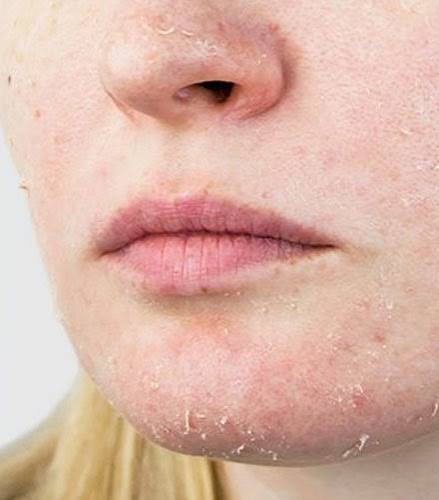
What is xerosis (dry skin)?
Xerosis cutis happens when the outer layer of your skin loses water and natural oils faster than it can replace them. The skin barrier weakens, so skin feels tight, rough and irritated.
It can affect the face, hands, arms, legs and feet. Mild dryness is common in winter, but dryness that keeps coming back, itches or cracks needs a doctor's attention. Prof. Dr. Azim Jahangir Khan, Dr. Amnah M Raj and Dr. Saima Malik see this every day and treat the cause, not just the surface.
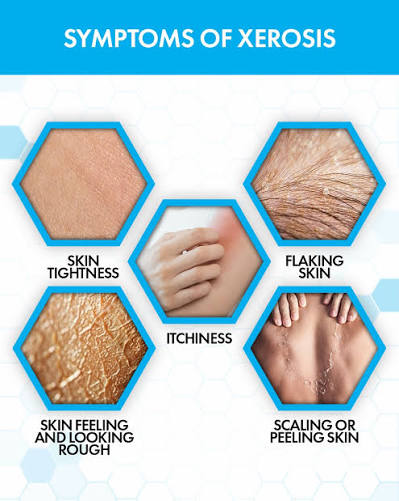
Symptoms to look for
Dry skin shows up differently on different people. Common signs:
Tight, rough skin
Especially after washing or bathing.
Flaking and scaling
White, fine or large dry flakes, often on shins and arms.
Itching
Often worse at night and can disturb sleep.
Redness
Dull, irritated patches that sting with soaps or creams.
Cracks and fissures
Common on heels, fingertips and hands. They can bleed.
Fine lines that look deeper
Dehydrated skin makes lines more visible.
What causes it?
- Weather: cold, wind, low humidity and air conditioning or heaters.
- Hot, long showers and harsh or perfumed soaps that strip natural oils.
- Age: skin makes less oil as we get older, especially after 40.
- Medical conditions: eczema, diabetes, thyroid problems and kidney disease.
- Some medicines: certain acne, water and cholesterol tablets.
- Work and habits: frequent hand washing, chlorinated pools, hairstyling or nursing.
Why you should not ignore it
Untreated dry skin can lead to more than discomfort.
Simple care at home
These habits help most mild cases.
Do
- Keep showers short (under 10 minutes) and lukewarm.
- Moisturise within 3 minutes of bathing, while skin is damp.
- Choose fragrance-free creams with ceramides, urea or glycerin.
- Wear gloves for washing-up and cold weather.
- Drink enough water.
Avoid
- Hot water and harsh, perfumed soaps.
- Scrubbing or scratching dry patches.
- Rough or wool fabrics against bare skin.
- Using steroid creams without a doctor's advice.
See a dermatologist if:
- Home care has not helped after 2 weeks.
- Itching is stopping you from sleeping.
- Skin is red, swollen, oozing or has open cracks.
- Dry, scaly patches cover large areas of the body.
- You have diabetes, thyroid or kidney problems and your skin keeps getting drier.
How we treat dry skin at Institute Cosmetique
Dry skin is not the same for everyone, so we do not hand out one cream for all. Your doctor examines your skin, asks about your routine and health, and builds a plan around you.
1. Find the cause
We check for eczema, medicines, hormonal or other health reasons and your daily habits.
2. Repair the skin barrier
Prescription and cosmeceutical moisturisers with the right ingredients for your skin type.
3. Calm itching and inflammation
Safe medical treatment for redness, cracks and itch, only when needed.
4. Keep it from returning
A simple routine for your climate, work and age, with follow-up visits.
Your doctors
Treatment is led by experienced dermatologists. You will be seen by the doctor best suited to your concern.
An on-site pharmacy at the clinic lets you collect prescribed creams and medicines before you leave and ask how to use them.
Common questions
Is dry skin a disease?
Xerosis is a skin condition, not a dangerous disease. But it can signal an underlying problem such as eczema, diabetes or thyroid disease, so persistent dryness is worth checking.
Is it contagious?
No. Dry skin cannot spread from person to person.
Will it go away on its own?
Weather-related dryness often improves with a good routine. If it keeps returning or gets worse, you need a proper diagnosis.
Which moisturiser is best?
Thicker creams and ointments work better than thin lotions. Look for ceramides, urea, glycerin or petrolatum, without fragrance. Your doctor can recommend what suits your skin.
Which doctor will I see?
You can book with Prof. Dr. Azim Jahangir Khan, Dr. Amnah M Raj or Dr. Saima Malik. Tell our team if you prefer a female doctor.
Can I book on a Sunday or in the evening?
Yes. We are open Monday to Saturday 9:00am to 9:00pm and Sunday 12:00pm to 6:00pm.
Ready for softer, comfortable skin?
Book a visit with our dermatologists at Institute Cosmetique.
Branches: DHA Phase 4 (190 DD CCA, next to Jamia Mosque), Gulberg III (34 MM Alam Rd) and Johar Town (445 G4, Main Boulevard).