
Ichthyosis: Causes, Symptoms & Treatment
Ichthyosis is a skin condition that causes dryness, roughness and fish-like scaling. Learn about its causes, symptoms, types, and treatment options to manage your skin with expert guidance from Institute Cosmetique..
What Is Ichthyosis?
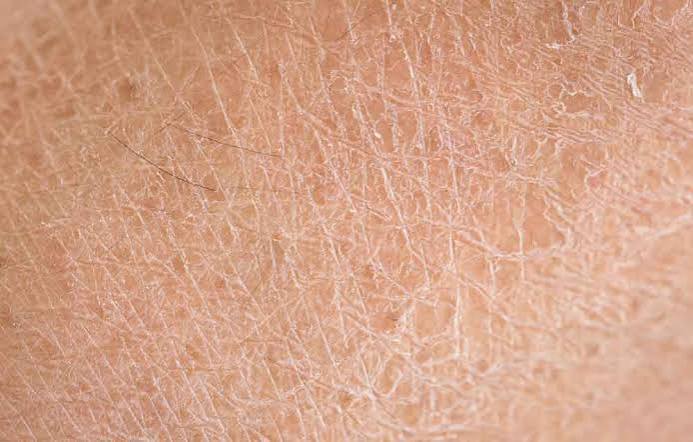
Ichthyosis is a group of skin disorders characterised by excessive dryness and the buildup of dead skin cells on the skin’s surface. Instead of shedding normally, these cells can accumulate and form visible scales.
The term ichthyosis comes from a Greek word associated with fish, referring to the fish-like appearance that scaling can sometimes create.
Ichthyosis is not one single disease. It includes several types with different causes, levels of severity, and symptoms. Some forms are present at birth, while others become noticeable during infancy or childhood. Certain types may also develop later in life because of an underlying medical condition or medication.
Unlike ordinary dry skin, ichthyosis often requires ongoing management. Its symptoms may improve with a suitable skincare routine, but inherited forms usually cannot be permanently cured.
Different Types of Ichthyosis
Identifying the specific type helps a dermatologist recommend appropriate, targeted care.
1 Ichthyosis Vulgaris
- Noticeable during childhood
- Fine scales, rough skin, and dryness (especially legs)
- Often associated with eczema / atopic dermatitis
- Worsens in cold or dry weather
2 X-Linked Ichthyosis
- Primarily affects males
- Linked to changes in the STS gene
- Darker, larger scales on neck, trunk, and limbs
- Dermatologist assessment recommended
3 Lamellar Ichthyosis
- Rare inherited skin condition
- Widespread scaling present from birth
- Infants often born with a collodion membrane
- Requires specialized care (hydration, barrier)
4 Epidermolytic Ichthyosis
- Rare genetic skin disorder
- Skin blistering, redness, and thick scaling
- Symptoms and severity vary between individuals
- Focuses on protection and infection prevention
5 Acquired Ichthyosis
- Develops later in life (adult onset)
- Resembles inherited forms in appearance
- May be associated with underlying health conditions or medications
- New onset requires prompt medical evaluation
Consult a Dermatologist for Accurate Diagnosis & Personalised Care
Get professional evaluation and tailored treatment options for your skin condition.
What Causes Ichthyosis?
The causes of ichthyosis depend on its type. In many cases, genetic changes affect the skin’s natural barrier, cell development, or shedding process.
Genetic Changes
Many forms of ichthyosis are inherited or caused by genetic variations. These changes can interfere with the’s ab skinility to maintain moisture and shed dead cells normally.
Some people inherit the condition from one or both parents. In other cases, a genetic change occurs for the first time in an individual without a known family history.
Problems With the Skin Barrier
A healthy skin barrier helps retain moisture and protects the body from environmental irritants. In people with ichthyosis, this barrier may not function normally.
As a result, the skin can lose moisture more easily, leading to dryness, roughness, and scaling.
Acquired Ichthyosis
In rare cases, ichthyosis-like scaling develops later in life rather than being present from birth. This is known as acquired ichthyosis.
It may sometimes be associated with underlying medical conditions, nutritional problems, or certain medications. A healthcare professional should investigate persistent, unexplained scaling that begins in adulthood
Common Symptoms of Ichthyosis
- Dry skin: The skin may feel rough, tight, or uncomfortable.
- Visible scales: White, grey, brown, or darker scales may develop depending on skin tone and the condition's type.
- Cracked skin: Severe dryness can cause painful cracks or fissures.
- Itching: Some people experience itching, irritation, or skin sensitivity.
- Thickened skin: Certain types cause thick layers of scales to build up.
- Skin discolouration: Affected areas may appear lighter, darker, or redder than the surrounding skin.
- Reduced sweating: Some types can interfere with normal sweating, increasing the risk of overheating.
Frequently Asked Questions
Ichthyosis ranges from mild dryness and scaling to severe conditions that can affect the skin barrier, temperature regulation, and infection risk. The level of medical care required depends on the type and severity.
Most inherited forms of ichthyosis do not have a permanent cure. However, moisturisers, scale-softening treatments, and medical care can help manage symptoms. Acquired ichthyosis may improve if its underlying cause is identified and treated.
No. Ichthyosis is not contagious and cannot spread through touching, sharing personal items, or close contact. Many forms are genetic, while acquired forms have other underlying causes.
Thick creams and ointments containing ingredients such as petrolatum, glycerin, or ceramides may help reduce moisture loss. Products containing urea or lactic acid may also be useful for some people, but suitability depends on age, skin sensitivity, and severity.
Symptoms can become more noticeable in cold weather because low humidity and indoor heating may increase skin dryness. Regular moisturising, gentle bathing, and following a dermatologist’s recommendations can help manage seasonal changes.