
Healthy, hydrated skin is the foundation of a glowing complexion. Yet many people struggle with dryness, tightness, flaky patches, or dull skin despite using moisturizers every day. The reason is simple: while creams help seal in moisture, a hydrating serum delivers active ingredients deeper into the skin to improve hydration from within.
If you’ve been wondering which serum is best for deep skin hydration, the answer depends on ingredients rather than marketing claims. Serums containing Hyaluronic Acid Serum, Panthenol, Glycerin, and other moisture-binding ingredients are widely recommended by skincare professionals because they help replenish water levels, strengthen the skin barrier, and improve skin texture over time.
In this guide, we’ll explain what deep hydration really means, how hydrating serums work, which ingredients deserve your attention, and how Skin Sciences can become part of an effective skincare routine.
Why Deep Skin Hydration Matters
Hydrated skin is not just about appearance. Proper moisture levels help the skin function as a healthy protective barrier against environmental stress, bacteria, and moisture loss.
When your skin lacks hydration, you may notice:
- Dry, rough patches
- Tightness after cleansing
- Dull complexion
- Fine dehydration lines
- Increased sensitivity
- Makeup settling into dry areas
- Reduced skin elasticity
Maintaining optimal hydration helps your skin feel softer, appear smoother, and stay healthier in the long run.
Understanding the Difference Between Dry and Dehydrated Skin
Many people confuse dry skin with dehydrated skin, but they are different concerns.
Dry Skin
Dry skin is a skin type that naturally produces less oil. It often requires richer creams and nourishing ingredients to replenish lost lipids.
Symptoms include:
- Rough texture
- Flaking
- Persistent dryness
- Tight feeling
Dehydrated Skin
Dehydrated skin is a temporary condition caused by a lack of water rather than oil. Even oily or combination skin can become dehydrated.
Common signs include:
- Tightness
- Dullness
- Fine lines
- Increased sensitivity
- Oily T-zone with dry cheeks
Hydrating serums are especially beneficial for dehydrated skin because they attract and retain moisture.
Which Ingredients Provide Deep Hydration?
The effectiveness of a serum depends on its formulation. Instead of focusing only on brand names, look for ingredients supported by scientific research.
Hyaluronic Acid
Hyaluronic Acid is considered one of the most effective hydrating ingredients available.
Benefits include:
- Attracts moisture to the skin
- Helps maintain hydration
- Improves skin elasticity
- Softens fine lines caused by dehydration
- Leaves skin feeling plump
It is suitable for nearly all skin types, including oily and acne-prone skin.
Glycerin
Glycerin is a powerful humectant that draws water into the outer layers of the skin.
It helps:
- Reduce moisture loss
- Improve softness
- Strengthen the skin barrier
- Keep skin hydrated throughout the day
Panthenol (Vitamin B5)
Panthenol provides both hydration and soothing benefits.
It can:
- Calm irritation
- Support barrier repair
- Improve skin comfort
- Reduce dryness
Ceramides
Ceramides naturally exist in healthy skin and play a vital role in preventing moisture loss.
They help:
- Restore the protective barrier
- Lock in hydration
- Improve resilience
- Reduce sensitivity
Aloe Vera
Aloe Vera delivers lightweight hydration while soothing stressed or irritated skin.
It works particularly well in combination with Hyaluronic Acid.
How Hydrating Serums Work
Unlike moisturizers, serums contain smaller molecules and higher concentrations of active ingredients.
When applied to slightly damp skin, hydrating serums help:
- Pull moisture into the skin
- Improve water retention
- Reduce dehydration
- Support barrier recovery
- Enhance overall skin texture
A moisturizer should always be applied afterward to seal in the hydration.
Choosing the Best Serum for Deep Skin Hydration
When deciding which serum is best for deep skin hydration, consider these factors.
Skin Type
Different skin types benefit from different formulations.
Dry Skin
Look for:
- Hyaluronic Acid
- Ceramides
- Squalane
- Panthenol
Oily Skin
Choose lightweight, non-comedogenic formulas containing:
- Hyaluronic Acid
- Niacinamide
- Glycerin
Sensitive Skin
Select fragrance-free formulas with soothing ingredients such as:
- Aloe Vera
- Panthenol
- Ceramides
Combination Skin
Use lightweight hydrating serums that balance moisture without leaving a greasy finish.
Benefits of Using a Hydrating Serum Daily
Consistent use offers several long-term benefits.
Improved Skin Texture
Well-hydrated skin feels smoother and softer.
Healthy Glow
Hydrated skin naturally reflects light better, creating a radiant appearance.
Reduced Dehydration Lines
Fine lines caused by moisture loss often become less noticeable.
Stronger Skin Barrier
A healthy moisture barrier protects against environmental damage and irritation.
Better Product Absorption
Hydrated skin absorbs other skincare products more effectively.
Common Causes of Skin Dehydration
Many everyday habits contribute to moisture loss.
These include:
- Hot showers
- Harsh cleansers
- Cold weather
- Air conditioning
- Sun exposure
- Pollution
- Over-exfoliation
- Inadequate water intake
Recognizing these triggers helps you protect your skin more effectively.
How to Apply a Hydrating Serum Correctly
Following the right application method improves results.
Cleanse your face with a gentle cleanser.
Leave your skin slightly damp.
Apply two to three drops of serum.
Gently press the serum into your skin.
Follow with a moisturizer to lock in hydration.
Finish with sunscreen during the daytime.
Ingredients That Work Well Alongside Hydrating Serums
Hydrating serums pair well with several skincare ingredients.
Niacinamide
Helps strengthen the skin barrier and improve moisture retention.
Vitamin C
Supports brighter skin while complementing hydration.
Peptides
Help improve skin firmness and elasticity.
Ceramides
Enhance the barrier that keeps hydration locked inside the skin.
Mistakes to Avoid
Avoid these common skincare mistakes:
- Applying serum to completely dry skin
- Skipping moisturizer afterward
- Using too many active ingredients at once
- Over-cleansing
- Ignoring sunscreen
- Expecting overnight results
Consistency is the key to healthier, hydrated skin.
Why Ingredient Quality Matters
Not every hydrating serum delivers the same results. A well-formulated product combines effective humectants, barrier-supporting ingredients, and lightweight textures suitable for daily use.
Skin Sciences develops skincare products with carefully selected ingredients designed to support skin hydration, improve comfort, and maintain a healthy moisture balance. Choosing quality formulations can make a noticeable difference in both immediate hydration and long-term skin health.
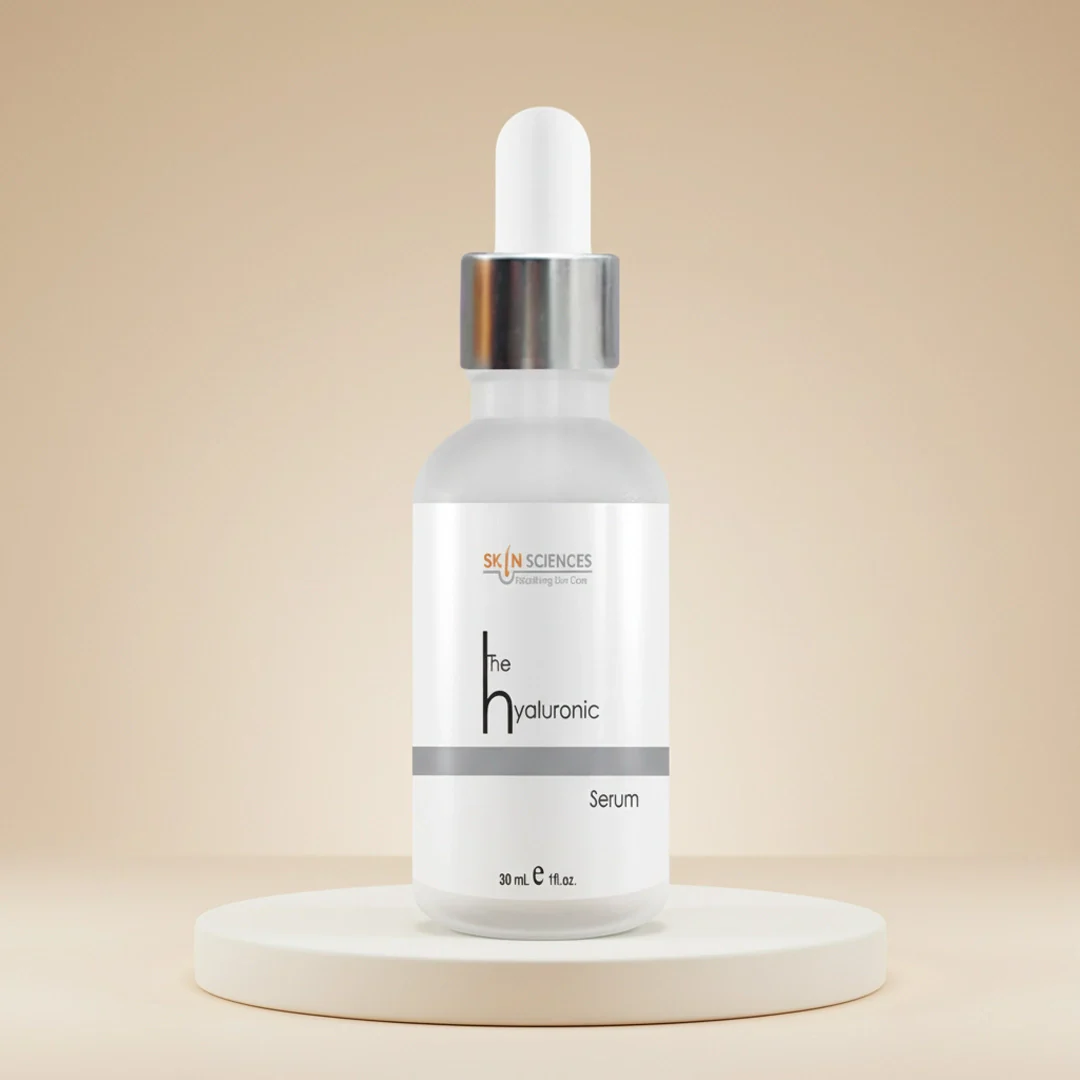
Discover the Skin Sciences Hyaluronic Acid Serum to help restore moisture, strengthen the skin barrier, and achieve long-lasting hydration as part of your daily skincare routine.
Final Thoughts
If you’re asking which serum is best for deep skin hydration, focus on proven ingredients rather than trends. Hyaluronic Acid remains one of the most effective hydration boosters because it attracts and retains moisture while improving skin texture and elasticity. When combined with ingredients like Glycerin, Ceramides, and Panthenol, a quality serum can transform dehydrated skin into a smoother, healthier-looking complexion.
Adding a hydrating serum to your daily routine, followed by a moisturizer and sunscreen, creates a complete approach to maintaining soft, radiant skin. With thoughtfully formulated products from Skin Sciences, achieving long-lasting hydration becomes easier while supporting your skin’s natural barrier every day.
Frequently Asked Questions
1. Which ingredient is best for deep skin hydration?
Hyaluronic Acid is widely recognized as one of the best ingredients for deep skin hydration because it attracts moisture and helps keep the skin plump and comfortable.
2. Can oily skin use a hydrating serum?
Yes. Oily skin can become dehydrated, and lightweight hydrating serums help restore moisture without making the skin feel greasy.
3. Should I use a moisturizer after applying a serum?
Yes. A moisturizer helps seal the hydration provided by the serum and prevents moisture from evaporating.
4. How often should I use a hydrating serum?
Most hydrating serums can be used twice daily, once in the morning and once at night, unless the product instructions recommend otherwise.
5. Is Hyaluronic Acid suitable for sensitive skin?
Yes. Hyaluronic Acid is generally well tolerated by most skin types, including sensitive skin, and works best when paired with a moisturizer to lock in hydration.
Dermatologists recommend maintaining optimal skin hydration to support a healthy skin barrier and improve overall skin texture. Choosing skincare products formulated with proven hydrating ingredients can make a noticeable difference with consistent use. Explore the Skin Sciences Home Page to discover dermatologist-inspired skincare solutions designed for long-lasting hydration and healthier-looking skin.