
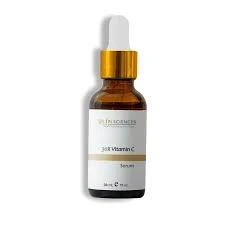
Healthy, glowing skin doesn’t lose its radiance overnight. Everyday exposure to harsh sunlight, airborne pollutants, lifestyle habits, and natural aging can gradually affect the skin’s appearance. If your complexion has started looking patchy or dull, it’s important to identify the underlying cause instead of simply covering it with makeup. Adding a Vitamin C Serum to your daily skincare routine is one of the most effective ways to support brighter-looking skin while helping defend against environmental stress. Combined with consistent sun protection, the right skincare routine can make a noticeable difference over time.
Many people assume uneven skin tone only affects mature skin, but discoloration can develop at any age. Whether the concern is post-acne marks, sunspots, or pigmentation caused by daily UV exposure, understanding the root cause helps you choose products that truly benefit your skin. In this guide, you’ll learn what contributes to an uneven complexion, how to reduce future damage, and why Skin Sciences focuses on skincare that supports healthier, more balanced skin.
Why Does Skin Tone Become Uneven?
Your skin color is determined by melanin, a natural pigment produced to protect the skin from ultraviolet radiation. When melanin production becomes irregular due to internal or external triggers, certain areas may become darker than others.
This imbalance can result in:
- Patchy pigmentation
- Sunspots
- Acne marks
- Dull complexion
- Age spots
- Uneven texture
The earlier these concerns are addressed, the easier they are to manage with a consistent skincare routine.
Everyday Factors That Affect Skin Color
Skin discoloration usually develops gradually because of repeated exposure to damaging elements.
Long-Term UV Exposure
Frequent exposure to sunlight encourages the skin to produce more melanin as a defense mechanism. Over time, this protective response may leave behind dark patches and visible sunspots.
Daily sunscreen remains one of the simplest ways to reduce additional UV-related pigmentation.
Marks Left After Breakouts
Inflammation caused by acne often leaves behind darker areas once blemishes heal. These marks, known as post-inflammatory pigmentation, can linger for weeks or even months.
Protecting healing skin from sunlight helps prevent them from becoming darker.
Hormonal Fluctuations
Changes in hormone levels can influence melanin production, leading to larger areas of discoloration, particularly on the cheeks, forehead, and upper lip.
Environmental Pollution
Dust, smoke, and airborne contaminants create oxidative stress that weakens the skin barrier and contributes to a tired, uneven complexion.
Aging Process
As skin ages, its natural repair cycle slows, making existing pigmentation and sun damage more noticeable.
Recognizing Early Signs of Sun Damage
Sun damage often begins long before it becomes obvious.
Some early changes include:
Skin That Looks Duller Than Usual
Healthy skin reflects light evenly, while damaged skin often appears tired and lifeless.
Rough Surface Texture
Repeated UV exposure can reduce skin smoothness, making the surface feel uneven.
Persistent Dark Spots
Small areas of pigmentation that remain visible after summer or outdoor activities may indicate accumulated sun damage.
Fine Surface Lines
Loss of collagen caused by ultraviolet radiation contributes to early signs of aging.
Ingredients That Help Improve Skin Clarity
Certain skincare ingredients are known for helping restore a more even-looking complexion when used consistently.
Vitamin C
Vitamin C is a powerful antioxidant that helps defend the skin against environmental stress while improving overall brightness.
Regular use may help:
- Improve skin radiance
- Reduce the appearance of discoloration
- Support collagen production
- Protect against free radical damage
If you’re comparing products, choosing the best Vitamin C serum in Pakistan with a stable formulation can provide better long-term support for brighter-looking skin.
Niacinamide
Niacinamide helps strengthen the skin barrier while promoting a smoother and more balanced complexion.
Additional benefits include:
- Reducing redness
- Improving texture
- Supporting healthy moisture levels
- Minimizing visible pores
Alpha Arbutin
Alpha Arbutin is commonly included in brightening routines because it helps improve the appearance of uneven pigmentation without being overly harsh.
Hyaluronic Acid
Well-hydrated skin appears healthier and supports the effectiveness of brightening ingredients by maintaining a strong moisture barrier.
Botanical Antioxidants
Plant extracts such as licorice root and green tea help calm environmental stress while supporting healthier-looking skin.
Daily Habits That Protect Your Complexion
Healthy skincare extends beyond topical products.
Wear Sunscreen Every Day
Apply a broad-spectrum sunscreen with SPF 30 or higher before leaving the house, even on cloudy days.
Cleanse Away Daily Build-Up
Removing dirt, sunscreen, sweat, and pollution each evening helps maintain a healthier skin environment.
Keep Skin Hydrated
Moisturized skin recovers more efficiently and maintains a smoother appearance.
Avoid Picking Pimples
Touching or squeezing blemishes increases the likelihood of stubborn pigmentation.
Eat Foods Rich in Antioxidants
Colorful fruits and vegetables provide nutrients that support healthier skin from within.
A Balanced Routine for Brighter Skin
Creating a simple, consistent routine is often more effective than using too many products.
Morning
- Gentle cleanser
- Vitamin C-based serum
- Moisturizer
- Sunscreen
Evening
- Gentle cleanser
- Brightening treatment
- Hydrating moisturizer
Daily consistency allows active ingredients enough time to produce visible improvements.
Mistakes That Can Worsen Skin Discoloration
Some habits may slow your progress without you realizing it.
Avoid:
- Skipping daily sunscreen
- Using harsh scrubs too often
- Layering multiple strong acids together
- Frequently changing skincare products
- Sleeping with makeup on
- Ignoring hydration
Gentle, consistent skincare generally delivers better results than aggressive treatments.
Why Healthy Skin Barrier Function Is Essential
A strong skin barrier helps defend against moisture loss, irritation, and environmental damage. When this barrier becomes weakened, the skin is more likely to develop redness, dryness, and uneven pigmentation.
Supporting the barrier with hydrating ingredients, antioxidants, and gentle skincare creates the ideal environment for healthier-looking skin.
Selecting Quality Brightening Skincare
The effectiveness of skincare depends on formulation quality rather than marketing claims. Products containing clinically recognized ingredients are more likely to deliver gradual, visible improvements with regular use.
Skin Sciences develops skincare products that combine antioxidant protection with skin-friendly hydration to support a brighter, healthier complexion. Whether your goal is preventing future pigmentation or improving existing discoloration, consistent use of carefully formulated products can help maintain long-term skin health.
When searching for the best Vitamin C serum in Pakistan, choose products that combine stable Vitamin C with complementary ingredients designed to support the skin barrier instead of relying on unrealistic promises.
Discover the Skin Sciences Vitamin C Serum to help brighten the complexion, defend against environmental stress, and support healthier, more even-looking skin as part of your daily skincare routine.
Summary
Understanding What Causes Uneven Skin Tone and Sun Damage? makes it easier to build a skincare routine that focuses on prevention as well as correction. Ultraviolet rays, pollution, acne-related pigmentation, hormonal changes, and the natural aging process all influence how your skin looks over time.
Protecting your complexion with sunscreen, antioxidant-rich skincare, hydration, and consistent daily care offers a practical approach to maintaining brighter, healthier-looking skin. With thoughtfully formulated products from Skin Sciences, you can support your skin’s natural resilience while working toward a smoother, more even complexion.
Frequently Asked Questions
1. Why does my skin tone become uneven?
Uneven skin tone commonly develops because of prolonged sun exposure, acne marks, hormonal changes, pollution, and natural aging, all of which can affect melanin production.
2. Does sunlight make pigmentation worse?
Yes. Ultraviolet rays stimulate additional melanin production, which can darken existing spots and contribute to new pigmentation if skin isn’t properly protected.
3. Can Vitamin C improve dull-looking skin?
Vitamin C helps brighten the complexion, supports collagen production, and provides antioxidant protection against environmental damage.
4. How long does it usually take to notice brighter skin?
With consistent skincare and daily sun protection, many people begin noticing gradual improvements within several weeks, although results vary depending on individual skin concerns.
5. Is sunscreen necessary even when using brightening products?
Absolutely. Sunscreen helps prevent additional UV damage and allows brightening ingredients to work more effectively by reducing further pigmentation.