
Sun Damage Problems Common in Pakistan
Sun exposure is an unavoidable part of daily life especially in countries like Pakistan where the sun’s intensity is high throughout much of the year. While sunlight is necessary for vitamin D synthesis and overall health and excessive exposure can cause serious skin damage over time. Sun damage can manifest as dark spots and wrinkles, premature aging, burns, and even skin cancer. Awareness of these problems, along with proper skincare practices, is essential to protect skin health.
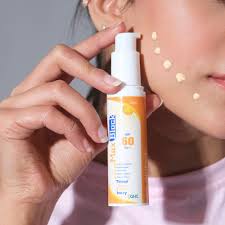
Brands like QHC,best sunblock in Pakistan have developed effective solutions tailored for regions with high sun exposure and helping people minimize the risks associated with UV damage.
How Sun Exposure Impacts Your Skin Health
Sun damage occurs when ultraviolet (UV) rays penetrate the skin and affect its deeper layers. UV radiation is divided into two types:
- UVA rays: Penetrate deep into the skin and cause premature aging and wrinkles and weakening of collagen.
- UVB rays: Primarily affect the surface of the skin and are the main cause of sunburns.
Things You Need to Know:Excessive exposure to these rays leads to cellular damage and rough pigmentation and increased risk of skin cancer. In Pakistan where sunny days are frequent and many people experience both UVA and UVB exposure regularly often without adequate protection.
Most Common Sun Related Skin Problems in Pakistan
1. Sunburns
Sunburn occurs when the skin is exposed to UVB rays for extended periods. It appears as redness or pain and swelling and sometimes blistering. Frequent sunburns increase the risk of long-term damage, including premature aging and skin cancer. Many individuals in Pakistan and especially outdoor workers or those in urban traffic are at higher risk due to prolonged sun exposure without sunscreen.
2. Dark Spots and Hyperpigmentation
Prolonged sun exposure triggers excess melanin production and results in dark spots or hyperpigmentation. These spots often appear on the face and neck and hands areas most exposed to sunlight. Brands like QHC, best sunblock in Pakistan offer specialized serums and creams designed to reduce pigmentation caused by sun damage while brightening the skin tone.
3. Premature Aging
Excessive UVA exposure accelerates collagen breakdown and leads to fine lines and wrinkles and sagging skin. Premature aging due to sun exposure is commonly observed in Pakistan and especially among individuals who spend long hours outdoors without protective measures. Regular use of sunscreen and antioxidant rich skincare products can help slow down this process.
4. Skin Dryness and Dehydration
Sun exposure depletes the skin’s natural oils and moisture and results in dryness or flakiness, and a rough texture. Over time, dehydrated skin becomes more prone to cracks and sensitivity and inflammation. Moisturizers with SPF such as those offered by QHC help protect and hydrate the skin simultaneously.
5. Sun-Induced Skin Cancer
Repeated and prolonged exposure to UV rays increases the risk of skin cancer including melanoma and basal cell carcinoma and squamous cell carcinoma. Pakistan has reported a rising number of skin cancer cases in recent years particularly in regions with high UV intensity. Awareness and early detection and proper sun protection are critical to reducing these risks.
6. Freckles and Age Spots
Freckles and age spots are small and darkened areas of the skin caused by localized melanin buildup. Frequent sun exposure without protection intensifies their appearance. In Pakistan these issues are common among fair skinned individuals and those who spend significant time outdoors.
7. Heat Rash and Skin Irritation
Hot and humid conditions combined with sun exposure often result in heat rash or prickly skin. Sweat trapped in skin pores causes irritation and redness and discomfort and makes the skin more vulnerable to sun damage.
Why Sun Damage Is More Common in Pakistan: Key Risk Factors
Several factors contribute to increased sun damage in Pakistan:
- Geographical Location: Proximity to the equator increases UV radiation intensity.
- Outdoor Lifestyle: Many occupations involve prolonged outdoor work such as construction and agriculture and street vending.
- Lack of Awareness: Many people underestimate the need for daily sun protection.
- Pollution: Combined effects of sun and air pollution accelerate skin aging and pigmentation.
- Climatic Conditions: Hot summers and long sunny days increase cumulative sun exposure.
Preventing Sun Damage: Essential Skincare Strategies
Preventing sun damage is more effective than treating it. Some essential steps include:
1. Use Sunscreen Daily
Applying broad spectrum sunscreen with SPF 30 or higher is crucial even on cloudy days. Sunscreens protect the skin from both UVA and UVB rays and reduce the risk of burns, pigmentation and premature aging.
2. Wear Protective Clothing
Long sleeves and wide brimmed hats and sunglasses and lightweight fabrics help shield skin from harmful UV rays. Choosing UV-protective clothing adds an extra layer of defense.
3. Avoid Peak Sun Hours
UV rays are strongest between 10 a.m. and 4 p.m. Limiting outdoor activities during these hours can significantly reduce sun exposure.
4. Antioxidant Skincare
Topical antioxidants like vitamin C, vitamin E, and green tea extract help neutralize free radicals generated by UV exposure. Products from QHC are enriched with antioxidants to support skin repair and reduce visible damage.
5. Stay Hydrated
Drinking sufficient water maintains skin hydration and resilience helping reduce the impact of sun exposure on the skin barrier.
Repairing Sun Damage: Expert Recommended Skin Treatments
Even with preventive measures sun damage may occur. Treatments include:
1. Topical Treatments
- Retinoids: Promote cell turnover and reduce fine lines.
- Hydroquinone: Helps lighten pigmentation and sunspots.
- Antioxidant Serums: Reduce oxidative stress and repair damaged skin.
2. Chemical Peels
Chemical peels remove damaged outer layers of skin, revealing fresh skin underneath and improving pigmentation, texture, and tone.
3. Laser Therapy
Laser treatments target pigmentation, sunspots, and broken capillaries. Professional guidance from a skin specialist ensures safety and effectiveness.
4. Moisturizers with SPF
Daily moisturizers containing SPF like those offered by QHC, protect skin from further sun damage while keeping it hydrated.
5. Medical Consultations
Persistent sun damage, unusual pigmentation, or suspicious moles should be evaluated by a skin specialist. Early diagnosis reduces the risk of skin cancer and other long-term complications.
Key Summary
Sun damage is a major skin concern in Pakistan due to high UV exposure, outdoor lifestyles, and long sunny days. Common issues include sunburns, dark spots, premature aging, dryness, heat rash, freckles, and increased risk of skin cancer. Preventive measures such as daily sunscreen, protective clothing, antioxidant skincare, and hydration are essential. For persistent or severe damage, professional treatment and consultation with a skin specialist are recommended. Brands like QHC best sunblock in Pakistan offer effective solutions to protect, repair, and maintain healthy skin in sun-exposed regions.
Visit our website:https://www.qhc.com.pk/
Expert Answers to Common Sun Damage Concerns
1. What is the main cause of sun damage in Pakistan?
Prolonged exposure to UVA and UVB rays, combined with outdoor lifestyles and hot climate, is the primary cause.
2. Can sun damage be reversed?
Mild sun damage can be improved with proper skincare, antioxidant serums, chemical peels, and laser treatments under guidance from a skin specialist.
3. How often should I apply sunscreen?
Sunscreen should be applied every 2–3 hours during sun exposure and immediately after sweating or swimming.
4. Are there products that repair sun-damaged skin?
Yes. products enriched with antioxidants, retinoids, and SPF, like those from QHC, help repair and protect the skin.
5. When should I see a skin specialist for sun damage?
If you notice persistent dark spots, sunburns that do not heal unusual moles, or signs of premature aging, consult a skin specialist immediately.